- Subject
- Microsoft 365 & SharePoint
- Filed
- Source
- Tim Barnwell
- Loans
- 722
Irish Tech Venture Funding Falls to €113.8m in Q3 2026
Irish tech venture funding dropped 45% year on year in Q3, with the sharpest strain on companies seeking rounds of €1m to €5m.
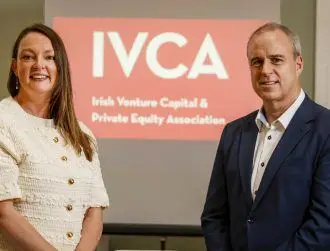
Irish tech companies raised €113.8m in venture funding during the three months to September 2026, a 45% fall from €207.9m a year earlier and the lowest third-quarter total in a decade. The figures point to a specific pressure point: companies seeking rounds between €1m and €5m found it harder to secure capital.
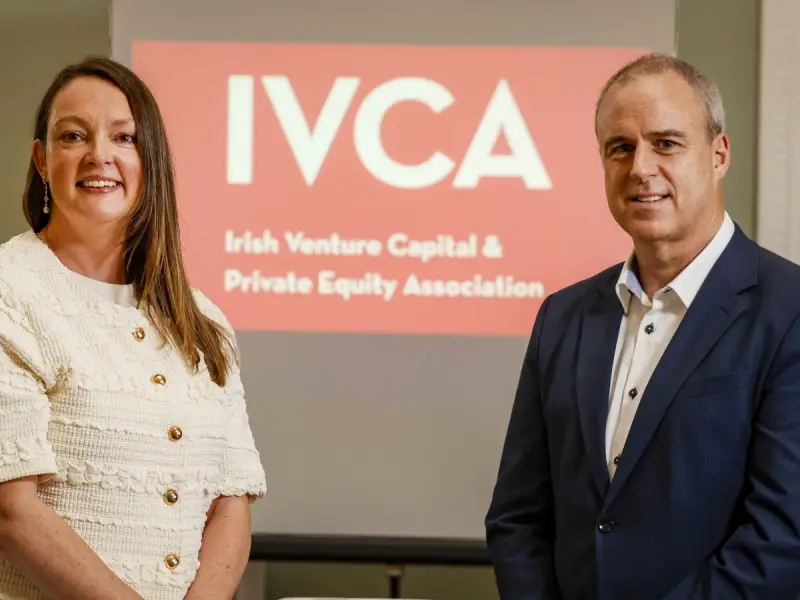
The VenturePulse Q3 2026 survey was published on 15 November by the Irish Venture Capital & Private Equity Association (IVCA) and William Fry. It tracks equity funding raised by Irish small and medium-sized enterprises (SMEs), including other SMEs headquartered in Ireland. The data excludes debt, venture debt, grants and other forms of non-equity funding, so it measures one important part of company financing rather than the full range of capital available.

Smaller rounds show the clearest squeeze
Deal activity changed less sharply than the headline funding total over the first nine months of 2026. Irish companies completed 129 deals from January to September, compared with 136 in the same period of 2025. Yet the amount raised fell by about 19%, from €853.4m to €692.2m. That gap suggests companies were still closing deals, but the aggregate value of the equity rounds was lower.

The pressure was concentrated in the €1m-to-€5m bracket. In Q3, the number of deals in that range dropped to 12 from 30 a year earlier, a decline of more than half. Rounds between €1m and €3m fell 70% to €10.7m, while funding in the €3m-to-€5m range declined 55% to €15.7m.

For the first nine months of the year, funding in the €3m-to-€5m band was down 56% to €37.2m. Funding in the €1m-to-€3m band fell 36% to €48.7m. IVCA director general Sarah-Jane Larkin said the number of rounds across both categories declined from 65 to 40 over that period.
IVCA chair Richard Watson described the issue as a squeeze on businesses trying to raise €1m to €5m. He said the concern was whether companies could progress through successive stages of financing, from pre-seed and seed rounds into larger scale-up funding. For businesses planning growth around that path, fewer mid-sized rounds may affect how quickly they can move from early development to expansion.

International investment retreats
International venture capital contributed €35.5m in Q3, down 76% from €146.7m in the same quarter of 2025. Watson said the IVCA had been warning about Ireland’s dependence on overseas investors. The quarterly fall makes the composition of funding as relevant as the total: a substantial retreat by international funds can leave fewer sources available to fill rounds, particularly when local companies are seeking mid-sized sums.

The survey figures do not establish why individual investors reduced their activity, and they do not show whether the decline will continue. They do, however, give Irish companies and their advisers a clear set of measures to watch in subsequent reporting: the number and value of €1m-to-€5m rounds, the contribution from international investors, and whether total funding recovers alongside deal counts.

Software leads Q3; life sciences and fintech rank strongly year to date
Software was the best represented sector in Q3 and accounted for the three largest deals. One was a €13m minority investment in Limerick-based Redfaire. Across the first nine months of 2026, life sciences received 24% of funding and fintech 22%, giving both sectors a significant share of the year-to-date total.
Watson also framed Ireland’s technology funding picture against investment in artificial intelligence. He said Ireland was “somewhat shielded” from recent turbulence around the AI industry because it does not host large domestic frontier platform companies investing billions in AI infrastructure such as data centres. He added that Irish companies are applying AI to industry problems in healthcare, financial services, manufacturing and construction, and said these businesses would need ordinary venture-scale funding rather than the extraordinary sums invested by global model developers.
That distinction matters for interpreting the figures: the survey describes equity raised by Irish SMEs, not spending by large global AI infrastructure firms. For Irish technology businesses, the near-term test is whether funding becomes more available across the €1m-to-€5m stage and whether international capital returns to a stronger level. The next VenturePulse results should show whether Q3 marked a temporary drop or a continued obstacle to scaling.