- Subject
- Windows & PowerShell
- Filed
- Source
- Ann O’Dea
- Loans
- 745
Australia’s Digital Duty of Care Bill Sets 5% Global Revenue Penalty for Online Services
Australia’s bill takes effect in one year, requiring online services to address harmful content and exposing companies in breach to fines of up to 5% of global revenue.
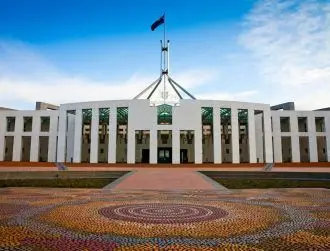
Online services operating in Australia have a year to prepare for a broader duty to protect users from harmful content. The Digital Duty of Care bill passed both houses on 25 November 2026 and, when it takes effect in one year, will allow fines of up to 5% of a company’s global revenue for breaches.
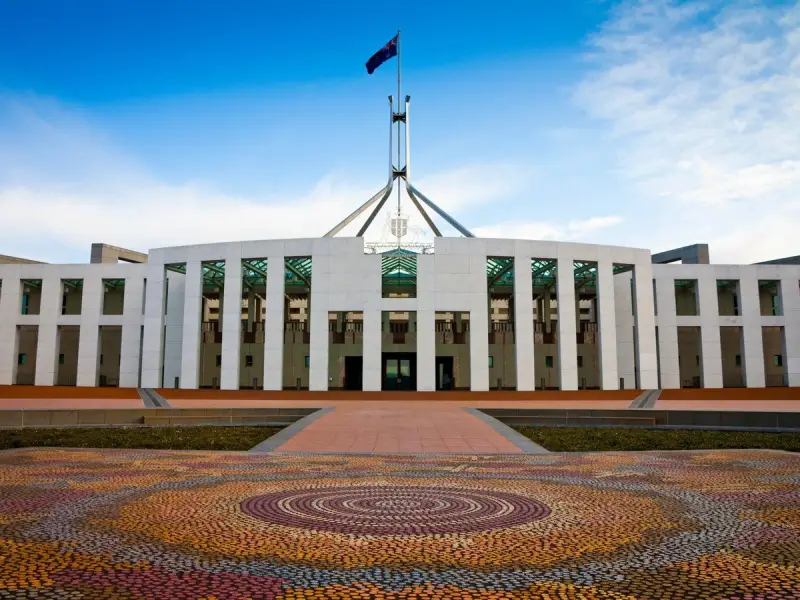
The change shifts the focus towards preventing harm through the way services are designed and run. It also expands the powers of Australia’s e-safety commissioner over online services, content and conduct, and requires internet companies to take down harmful content quickly. The bill replaces the Online Safety Act 2021, according to the Australian government’s description of the measure.

What changes for online services
The existing framework relies on industry codes and Basic Online Safety Expectations. The new approach replaces those arrangements with a digital duty of care requiring online service providers to take measures to provide a safe online environment.

That wording puts responsibility on providers to consider safety as part of operating their services, rather than treating harmful material only as a problem to address after it appears. Communications minister Anika Wells described the aim during the bill’s second reading as protecting Australians from seriously harmful and illegal content. She said the approach moves the safety net upstream, towards the people who design products, so they can work to stop harm before it reaches users.

The practical reach will depend on how the expanded powers and duty are applied. The bill’s reported requirements establish a stronger expectation that companies act on harmful content, but the available details do not specify response times, particular categories of content, or technical controls that providers must use. Those details will matter to teams responsible for moderation, product design and service operations.

Exposure for large providers
The maximum penalty is set at 5% of global revenue for companies found in breach once the bill comes into effect. That figure makes the potential consequences significant for large services, including the mainly US-based technology companies that have been a focus of Australian scrutiny. The measure does not specify in the available details how a penalty would be calculated in an individual case.

For online service providers, the preparation work will involve understanding which services and operations fall within the duty, how harmful content is identified and escalated, and whether existing processes can support prompt removal. Companies will also need to follow how the e-safety commissioner’s expanded powers translate into expectations for specific services. The bill signals the direction of travel; the operational requirements will determine what providers need to change in practice.

There is a broader design question for product and engineering teams. If a provider is expected to take measures to make its service safer, teams may need to assess how product features affect the spread or visibility of harmful material, and how reports are handled. The source details do not prescribe a particular assessment method, staffing model or technical system, so companies should avoid treating any one control as a stated requirement until further detail is available.

A wider Australian approach
The bill adds to a series of Australian measures affecting online platforms. Last year, Australia became the first country to ban social media outright for under-16s. It is also considering requiring large internet companies to pay licensing fees to news and media companies. Those initiatives address different issues, but together they show that platform obligations are receiving sustained attention in Australia.
Other countries frustrated by the spread of harmful online content may watch how the duty is implemented. A framework that places responsibility on service design could offer a model for future measures elsewhere, though the bill’s passage alone does not show how effective it will be or whether other countries will follow it.
What to watch before the start date
The one-year period before the bill takes effect gives affected providers time to examine their current safety processes and track further details about the duty. The most useful signals will be guidance on the scope of covered services, what counts as a breach, how quickly content must be removed, and how the e-safety commissioner will exercise the expanded powers.
For now, the clear operational points are the start window, the expectation that providers take measures to create a safe online environment, the requirement to remove harmful content quickly, and the maximum penalty of 5% of global revenue. Online service teams should map those obligations against their existing product and content processes, then revisit that assessment as implementation details become clear.