- Subject
- Microsoft 365 & SharePoint
- Filed
- Source
- silicon
- Loans
- 666
AI and Data Centre Spending Accounts for One-Fifth of Irish Growth, Goodbody Finds
Goodbody links AI and data centre investment to 20pc of Irish growth, while flagging infrastructure needs and hard-to-fill specialist roles.
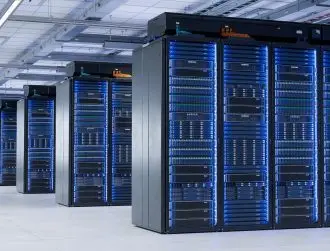
AI and data centre investment accounted for around one-fifth of Ireland’s nominal modified domestic demand growth in the four quarters to Q2 2026, according to Goodbody. The figures show how strongly computing infrastructure is shaping economic activity, while also raising practical questions about energy, transport, housing and skills capacity.
Goodbody published the findings on 18 November 2026 in its Irish Economy Health Check. It measured imports of AI and data centre equipment for capital investment at €11.4bn, equivalent to 59pc of Ireland’s modified machinery and equipment investment.

Computing hardware dominates trade
Trade in hardware associated with AI and data centres has more than doubled since 2019, the report says. From January to August 2026, imports and exports in this category totalled €40.2bn, including €19.1bn of imports. Goods associated with compute technology made up 91pc of those flows, with semiconductors, processors, servers and related equipment at the centre.

Those totals describe the movement of equipment across borders, rather than the amount retained in Ireland or the value added locally. Goodbody says Ireland’s role has expanded beyond an earlier pattern focused largely on semiconductor imports and exports. Equipment now also includes processors, servers and storage moving through Ireland to a wider customer base.

The report describes Ireland as a link between Asian hardware producers and that expanding market. It identifies Asia and Israel as significant sources of hardware, with Taiwan now the largest supplier of AI hardware and imports from Vietnam rising rapidly. For organisations planning infrastructure, this supply chain context matters: the investment figures reflect a large flow of equipment, while gross trade totals alone don’t show where it will be installed or how much local economic value it will generate.

Data centre capacity has nearly doubled
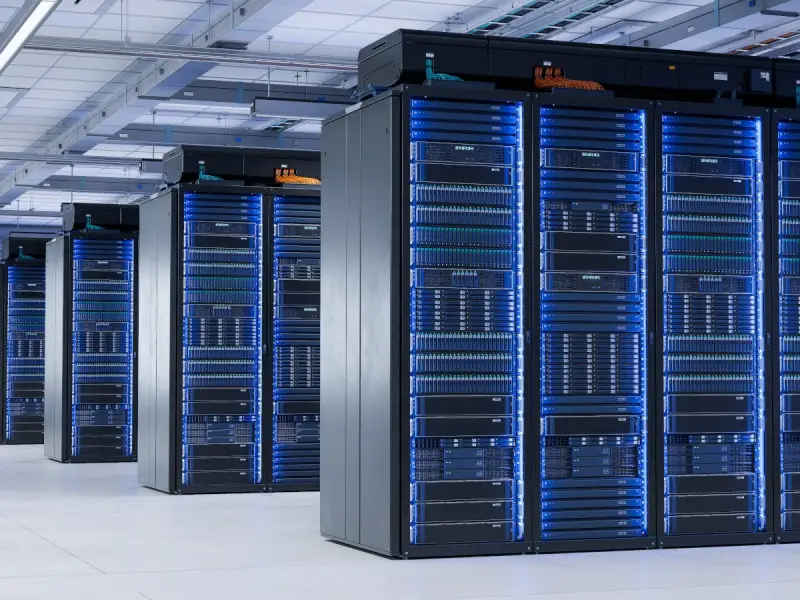
Ireland’s data centre capacity rose from 698MW in 2019 to 1,357MW, nearly twice the earlier level. A further 152MW is under construction, and projects with planning permission account for another 1,083MW. Goodbody cautions that permission doesn’t guarantee that all of this planned capacity will be built.

The distinction between operational, under-construction and permitted capacity is useful when assessing how much additional infrastructure may come online. The reported figures point to continued expansion, but they don’t establish the final scale or timing of future capacity. The report argues that energy, housing and transport infrastructure will need attention if the economic benefits are to last.

Goodbody chief economist Dermot O’Leary said the AI investment cycle is boosting activity but carries risks. He called for resources to be used carefully, including saving more of the windfall receipts and investing in energy, housing and transport. For IT and infrastructure teams, the broader point is that data centre growth depends on supporting capacity beyond the facilities themselves.
Workforce exposure is not a job-loss forecast
Goodbody estimates that roughly 63pc of employment in Ireland is in occupations with high exposure to AI. Its analysis divides that share into 33pc of roles with greater potential for augmentation and 30pc more vulnerable to replacement. The report stresses that exposure measures how work may be affected; it doesn’t predict that those jobs will disappear.
So far, Goodbody finds only a weak relationship between AI exposure and employment changes. It says weaker hiring of younger workers in information and communications technology deserves attention, but warns against attributing that change to AI alone. This distinction matters for employers: a task’s exposure to automation doesn’t by itself show whether a role will shrink, change or require different skills.
Specialist recruitment is already a constraint. More than 60pc of AI-related specialist roles are rated difficult or very difficult to fill, according to the report. Goodbody says strong digital skills give Ireland a favourable starting point, while training, governance and workflow redesign are needed to turn task-level efficiencies into broader productivity gains.
Growth forecasts and the capacity test
Goodbody forecasts modified domestic demand growth of 3.2pc in 2026, 3.5pc in 2027 and 3pc in 2028. It describes the outlook as placing Ireland among the fastest-growing euro-area economies. The measure is intended to reflect domestic economic activity more clearly than headline output figures, according to the Central Statistics Office.
O’Leary said Ireland has room to prepare for structural challenges, including workforce readiness and gaps in housing, energy and transport. The report’s figures make the central test clear: AI-related investment is already contributing materially to measured growth, but sustaining that contribution will depend on whether skills and infrastructure can keep pace with expanding computing demand.