- Subject
- Microsoft 365 & SharePoint
- Filed
- Source
- Laura Varley
- Loans
- 324
Irish Board Gender Balance Reaches 41%, but Senior Leadership Still Lags
Women now hold 41% of ISEQ20 board seats, but only 27% of senior leadership roles, leaving a gap for Irish businesses to address.
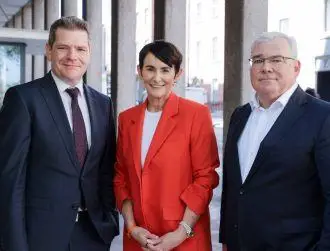
Irish listed companies have made marked progress in boardroom gender balance, but the figures for senior leadership show a slower pace of change. Women held 41% of board seats at ISEQ20 companies in 2026, up from 18% in 2018. On leadership teams, their share was 27%. That gap puts succession planning and access to senior operational roles at the centre of the next stage of progress.
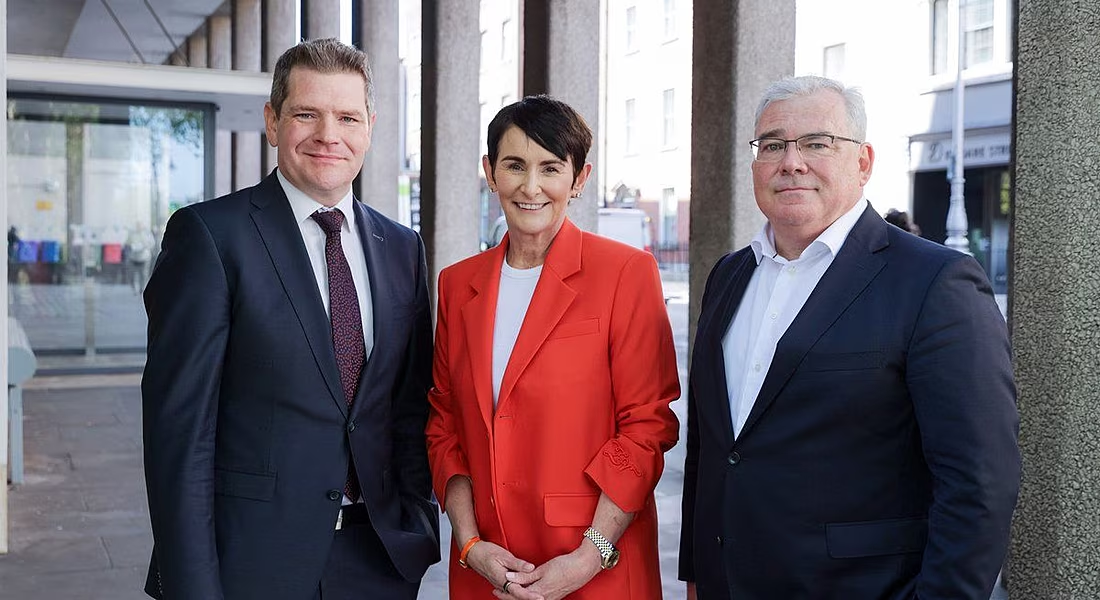
Those findings come from the ninth annual report by Balance for Better Business, released on 17 November 2026. Almost three out of four business leaders who contributed to its research said improving gender balance in senior leadership matters to the long-term competitiveness of Irish businesses. Some 74% said balanced leadership has a positive business impact.

Peter Burke said companies are dealing with changing skills needs, new technologies and wider economic pressures. In his view, drawing on a wider range of talent, experience and perspectives can help businesses respond to those pressures and support future growth. The figures show broad recognition of that case among respondents, though recognition alone does not ensure that more women reach the most senior positions.

Boardroom gains, with signs of a stall
The ISEQ20, which comprises Ireland’s largest listed companies, has kept board representation at or above the 40% target set in 2024 for three consecutive years. Across all publicly listed companies, women held 39% of board seats in 2026.

There are also signs of progress within individual boards. Three-quarters of ISEQ20 boards had at least three women, and 12 of the 20 companies had reached or passed 40% representation. Seven had women occupying at least half of board seats.
But progress has not continued evenly across every measure. The share of ISEQ20 boards with three or more women fell from 80% in 2024 to 75% in 2026. For the first time in three years, an ISEQ20 company had an all-male board. That detail complicates any simple reading of the overall rise: a higher aggregate share can coexist with uneven representation from company to company.

Carolan Lennon, co-chair of Balance for Better Business, described the change since 2018 as significant. Women’s share of ISEQ20 board seats has risen from fewer than one in five to more than four in ten, and has stayed at that level for three years. Lennon said keeping that progress in place will require attention to the career paths that lead to board appointments, including routes to chief executive, finance chief and chair roles.

The leadership pipeline remains the gap
Women’s representation on ISEQ20 leadership teams reached 27% in 2026, compared with 26% in 2025 and 17% in 2019. The increase is real, but the 40% target remains some distance away. For the first time, more than half of these teams—53%—had at least three women. At the same time, the report recorded an all-male board in the index, underscoring how much company-level results can vary.
The gap between board and leadership-team figures matters because the boardroom is not the only point at which companies need a broad pool of experienced leaders. A steady flow of people into operational and commercial roles can build the experience needed for executive appointments later. Lennon called for companies to consider succession earlier, widen access to those roles and support talented women’s progression across their careers.
For business leaders reviewing their own figures, the report’s findings point to practical questions: who is being prepared for senior roles, which commercial or operational experiences are available to them, and whether succession plans are being examined before a vacancy arises. Measurement can show whether efforts are changing representation over time; accountability can help ensure that the figures prompt action. Those are the approaches Byrne identified as important to turning awareness into consistent progress.
Ireland’s European position
Ireland ranked joint sixth in the EU for women’s representation on the boards of its largest listed companies, compared with 16th in 2018, when Balance for Better Business was established. For women executives at the largest listed companies, Ireland moved from ninth to sixth. Their representation exceeded 27%, ahead of the EU average of 24%.
Those rankings offer a useful point of comparison, but they do not resolve the difference between board representation and the wider leadership pipeline. The 27% figure for ISEQ20 leadership teams remains well below the 40% target, even as board representation has passed that mark. Businesses looking to sustain progress will need to track both measures and examine how people move into roles that prepare them for executive responsibility.
Bernard Byrne, co-chair of Balance for Better Business, said many organisations still are not taking dedicated steps to improve gender balance. He pointed to measurement and accountability as ways to make progress more consistent. His practical message is that companies should set out a plan for leadership pipelines and benchmark results regularly. The next measure of momentum will be whether the boardroom gains are matched by a stronger flow of women into senior leadership.