- Subject
- Windows & PowerShell
- Filed
- Source
- silicon
- Loans
- 317
RCSI Researcher Examines Circadian Rhythms and Bipolar Disorder
Ronan Lordan is studying how disrupted body clocks may relate to bipolar disorder, while calling for better attention to timing and sex in research.

Disrupted body clocks may be connected to biological and behavioural features of bipolar disorder, according to research that RCSI senior postdoctoral fellow Dr Ronan Lordan is now pursuing. The work is at an early stage, but it raises a practical research question: could circadian biology help identify new therapeutic targets or improve the use of existing treatments?
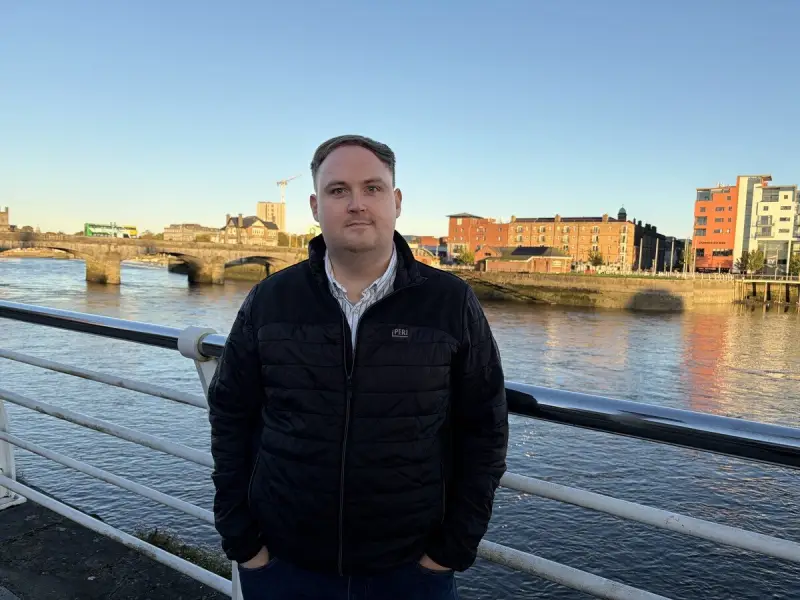
Lordan’s path to this question crossed several fields. At the University of Pennsylvania, he studied how circadian rhythms affect metabolism, ageing and cardiovascular health. His experiments included mice with the core clock gene Bmal1 deleted specifically in immune cells. The animals appeared hyperactive and showed behaviours reminiscent of mania. Similar behaviours had been seen in other models of circadian disruption, prompting the researchers to ask whether the changes reflected more than behaviour alone.
That observation helped lead Lordan back to Ireland. He joined RCSI University of Medicine and Health Sciences’ FutureNeuro Research Ireland Centre for Translational Brain Science as a NeuroAdapt Marie Skłodowska-Curie postdoctoral fellow. His current work explores whether circadian disruption contributes to bipolar disorder and whether the body’s timing system could point to treatment opportunities.

From clock biology to brain research
Before his move into neuroscience, Lordan worked on circadian rhythms in tissues including muscle and brown adipose tissue. That work built on a wider research background in metabolism and cardiovascular health, but the mouse findings suggested a possible connection with mood-related behaviours.
The distinction matters: the observations don’t establish that clock disruption causes bipolar disorder, or that the mouse behaviours reproduce the condition. They provide a lead for investigating how biological timing and the features associated with the disorder might intersect. Lordan says the team wants to understand the underlying biology and assess whether circadian mechanisms could reveal targets for future therapies or help researchers make better use of treatments already available.
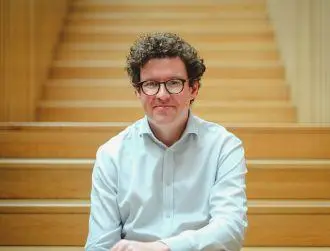
Any clinical benefit remains a long way off. Lordan describes the current work as an early step in understanding the biology. Identifying a plausible mechanism would be a starting point for further research, rather than evidence that a new treatment is ready.
Research needs to account for time and sex
Lordan sees circadian biology as inherently interdisciplinary. The body clock affects systems studied across neuroscience, molecular biology, metabolism, pharmacology and behaviour, yet academic funding and career structures can favour researchers who establish themselves within a narrow field. That can make it harder to pursue questions that cross disciplinary boundaries.

He also argues that biomedical research needs to treat time of day and sex as meaningful variables. Circadian rhythms influence many aspects of physiology, but the time at which an experiment takes place isn’t always given sufficient weight. Biological differences related to sex can also affect circadian biology and disease, and may not be adequately accounted for in experimental design.
For teams planning studies, his point is that these factors can shape what an experiment measures. Results gathered at one time of day, or without accounting for sex-related differences, may not capture the full picture. Better attention to both could strengthen how researchers interpret findings, though the specific design choices will depend on the question being studied.

A route into research shaped by teaching and curiosity
Lordan initially planned to become a secondary school teacher and began a biological science degree at the University of Limerick with that goal. A final-year research project changed his direction: he discovered he could build a career around asking questions whose answers weren’t yet known.
He went on to complete a PhD in cardiovascular pharmacology and nutrition at UL, focusing on lipids and their potential applications in nutrition and therapeutics. During that period, he researched, lectured and worked in campus bars to support himself, while also applying for scholarships. His later opportunity to work at the University of Pennsylvania brought him into circadian biology.

He also holds a master’s degree in third-level education from UL, serves as a member of Young Academy Ireland and is co-director of Pint of Science Ireland. For Lordan, communicating research beyond universities is part of the work, not an optional extra.
Public engagement and the research process
Lordan says the pandemic showed why science communication needs to explain how evidence develops, as well as sharing conclusions. Advice can change when new evidence emerges; without context, that process may look like contradiction. He also points to a gap between institutions’ stated support for public engagement and the incentives researchers face, since time spent communicating may compete with work that affects career progression.

Funding is another constraint. Lordan says Pint of Science Ireland struggles each year to secure the resources needed to run nationally, despite the limited number of science outreach initiatives aimed specifically at adults. The programme brings researchers into informal settings where people can talk with them about their work.
At FutureNeuro, he also works in an environment that supports patient and public involvement. Patients and members of the public can help shape research questions, advise on how studies should be conducted and explain which discoveries could matter most to them. Lordan argues that this input can make research both more accessible and more responsive to people’s needs.
For now, the central task is to test the biological connection suggested by the mouse observations. Lordan’s work brings circadian timing into that investigation, while his concerns about study design point to variables researchers can examine as they build the evidence.