- Subject
- Windows & PowerShell
- Filed
- Source
- Laura Varley
- Loans
- 526
ULA Vulcan Failure Destroys 40 Amazon Leo Satellites, Delays Planned Launch Campaign
A Vulcan rocket anomaly 10 minutes after liftoff destroyed 40 Amazon Leo satellites, putting the schedule for Amazon’s planned 38 missions in question.
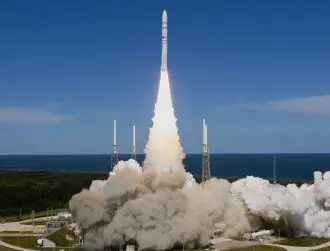
A failure aboard United Launch Alliance’s Vulcan rocket has cost Amazon 40 Leo internet satellites and disrupted the first of 38 launches planned for the companies’ mission programme. The incident adds a new schedule risk as Amazon builds the constellation it needs to compete with SpaceX’s Starlink.
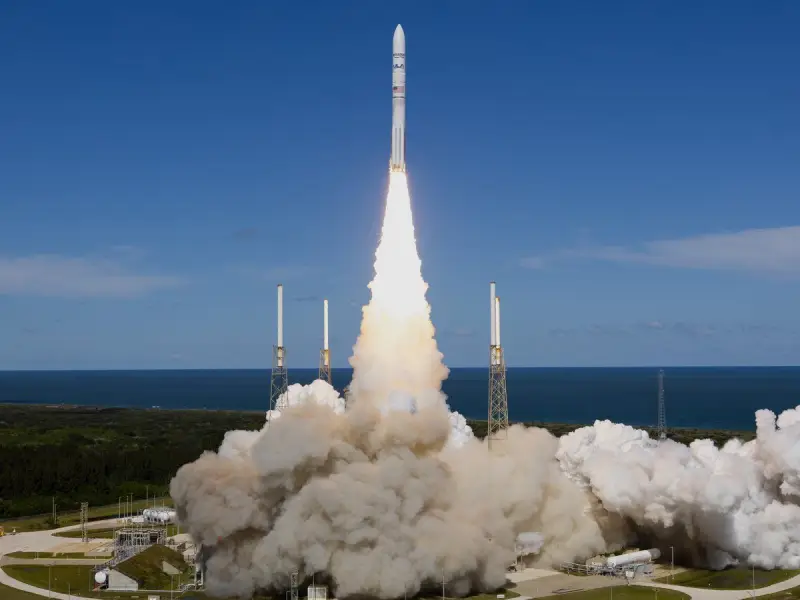
The rocket lifted off from Space Launch Complex 41 at Cape Canaveral Space Force Station in Florida at about 12.40pm local time on 15 November 2026. Roughly 10 minutes into the flight, Vulcan suffered an anomaly and did not deliver its payload to orbit. ULA has not disclosed what failed, and the 40 satellites were lost with the mission.

Failure details remain unknown
ULA said data received by its launch director confirmed the anomaly and the failed delivery. In a post on X, the company said it did not yet have specific information to explain what happened because the event had just occurred. That leaves the cause, the affected rocket systems and the likely corrective work undetermined.
The distinction matters for Amazon’s schedule. A technical investigation must establish what went wrong before ULA can assess the changes required for another flight. The source of the fault and the scope of any corrective work will determine how long Vulcan remains grounded; the article reports that a pause lasting months is possible, but gives no confirmed return date.

ULA described mission success as the standard it sets for its work and acknowledged that this flight fell short. Amazon Leo, in its own post on X, said launches carry risk, particularly on inaugural missions such as LV-01. The company said ULA has been a trusted partner and that it expects the launch provider to learn from the mission and deliver on Vulcan’s longer-term plans.
A setback for a large launch plan
This was Vulcan’s first flight since February and only its fifth launch since the rocket’s debut in 2024. The mission was meant to begin a run of 38 planned Amazon launches on the vehicle. The lost payload therefore creates a near-term hole in Amazon’s deployment plan, while any extended grounding could affect the timing of later missions as well.
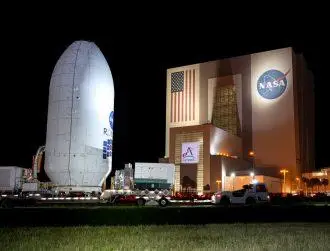
More than a dozen earlier missions were reportedly abandoned before the November flight, following an issue involving a solid rocket booster and its system. Those delays had already complicated Vulcan’s path to this launch. The newly reported anomaly creates a separate investigation, and the available information does not establish whether it is connected to those earlier technical problems.

For Amazon, the immediate impact is the loss of 40 spacecraft that would have joined its growing Leo network. The company has deployed 398 satellites through 14 launches so far. That is about 12 per cent of the more than 3,200 satellites it will need for global service coverage, according to reports. The failed flight does not change that reported deployment count, but it means Amazon will need future successful launches to replace the capacity it expected from this batch.
Competition adds pressure to deployment pace
Amazon’s satellite service is being built to compete with established internet satellite providers, including SpaceX’s Starlink. Amazon is also expanding its position in satellite communications: in October, the US Federal Communications Commission approved the company’s $11.5bn acquisition of satellite telecommunications provider Globalstar.
SpaceX’s ability to launch its own satellites using its rockets has been cited as one source of its advantage. Amazon, by contrast, depends on launch vehicles and providers to put its spacecraft into orbit. That makes rocket availability and mission reliability part of the service’s deployment timetable, as well as the operational performance of the satellites themselves.
Amazon’s next steps depend in part on what ULA’s investigation finds. Teams following the programme will be watching for a cause, details of any corrective work, and an updated flight schedule. Until those details are available, the size of the delay to Amazon’s 38-mission plan remains uncertain.