- Subject
- Microsoft 365 & SharePoint
- Filed
- Source
- silicon
- Loans
- 706
AI Tools Feature in 41% of 2027 Stripe YSTE Entries
AI or digital technology appears in 41% of entries, alongside rising interest in women’s health, accessibility and environmental research.
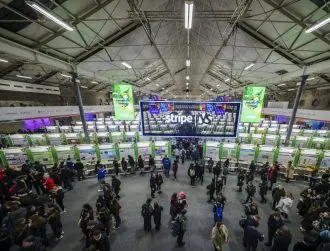
AI has moved into the working methods of student research: organisers say 41% of entries for the 2027 Stripe Young Scientist & Technology Exhibition (YSTE) use AI or digital technologies in their research, data analysis or solution development. That compares with 9% of entries in 2026, a sharp rise that points to AI becoming a practical tool across subjects rather than a project topic on its own.
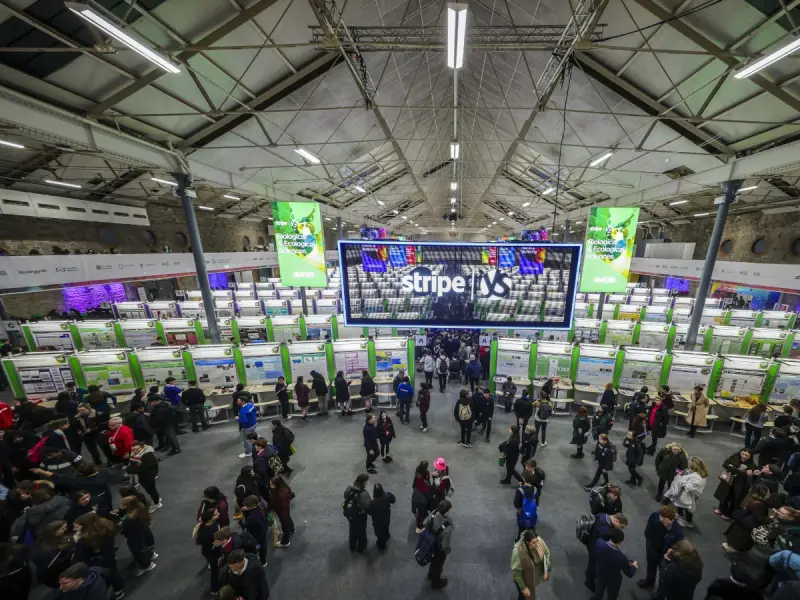
The exhibition has received 2,018 entries from secondary school students across the island of Ireland. Organisers say the projects increasingly apply evidence-based research to real-world problems. Around one in six entries develops a practical product, app, device, platform or other technology-based solution, suggesting many students are aiming to turn research into something people could use.

AI appears across research methods
The 41% figure covers entries that incorporate AI or digital technologies in at least one part of their work. It does not mean that every project is about AI. Instead, students are using these tools as part of investigations and solution development across a wider range of disciplines.

That distinction matters when interpreting the trend. A project can focus on health, learning or the environment while using digital technology to analyse information or build a proposed solution. The organisers describe this spread as a defining trend in the 2027 entries. Their figures show a substantial increase from 2026, although they do not break down how many projects use AI specifically, as distinct from other digital technologies.

AI is also a direct subject of some projects. YSTE counted 23 entries focused on AI. The wider online sphere drew more attention: 49 projects explicitly referenced social media, 21 examined scrolling or doomscrolling, and 38 explored phone or smartphone use. More than 50 projects looked at social media and digital culture, while another 54 addressed stress, anxiety and exam-related pressures.

Those topics connect technology use with young people’s daily lives and wellbeing. The organisers say the projects reflect growing interest in how online environments and educational expectations affect students. The entry counts show what students chose to investigate; they do not, by themselves, establish the effects of social media, phone use or AI.
Health and accessibility gain ground
Women’s health entries have risen 140% compared with last year. Students are examining endometriosis, polycystic ovary syndrome, menopause, menstrual health, women’s heart health, ADHD diagnosis in girls and injuries in women’s sport. The range puts several distinct health questions under one growing area of student research.
Dementia projects have doubled year on year to 22 entries. Their subjects include early detection, predictive technologies, Alzheimer’s biomarkers, independent living and tools intended to support care. These projects span both research questions and practical applications, including technologies designed to help people live more independently.
Learning support and accessibility feature in 12.5% of all entries, a 78% increase from last year. The work covers dyslexia support, ADHD tools, learning aids for neurodivergent students, revision and memory tools, and classroom technologies for different learning styles and needs. Taken together, these topics show students applying technology to specific barriers in education, rather than treating accessibility as a single general problem.
Environmental projects more than double
Sustainability, climate and environmental research accounts for 17% of the 2027 entries, more than double the previous year’s share. Students are investigating flood prediction, wildfire prevention, drought monitoring, water conservation, biodiversity protection and climate resilience.
The topics range from forecasting and prevention to conserving resources and protecting ecosystems. For schools and others following the exhibition, the figures offer a useful view of which challenges have captured students’ attention this year. They do not indicate how effective any proposed intervention is; that will depend on the evidence and methods presented by each project.
Exhibition dates and prize
Alison Ahern, head of Stripe YSTE, said the projects stand out for their ambition and practical focus. She said students are identifying major challenges and combining scientific rigour with a sense of purpose. Ahern also described the exhibition as a platform for young people’s creativity and problem-solving.
The 2027 exhibition runs from 6–9 January 2027 at Dublin’s RDS. The student or team behind the overall winning project will receive €10,000. The organisers have not yet identified the winning project; the event will bring together the entries across health, education, technology and environmental research.
For now, the clearest signal in the entry data is the spread of digital tools into work on many different subjects. The rise from 9% to 41% makes AI and digital technology a prominent part of this year’s research methods, while the growth in health, accessibility and environmental projects shows where students are applying that work. The projects on display in January will provide the next opportunity to assess the questions they ask and the evidence behind their proposed solutions.