- Subject
- Microsoft 365 & SharePoint
- Filed
- Source
- Rashmi Bhardwaj
- Loans
- 702
Webhooks vs APIs: Choosing Between Event Push and On-Demand Requests
Webhooks send updates when events happen; APIs retrieve data on demand. Choose based on timing, query needs, and how your service handles delivery.
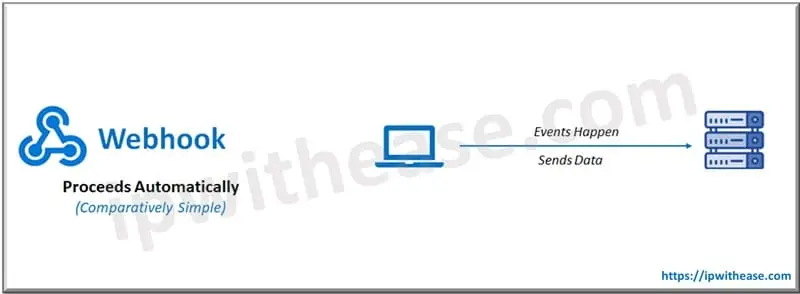
Choosing between a webhook and an API comes down to who starts the conversation. A webhook pushes a notification when an event occurs; an API waits for a request before returning data. That distinction affects how quickly applications react, how much they query a service, and how they handle missed or incomplete updates.
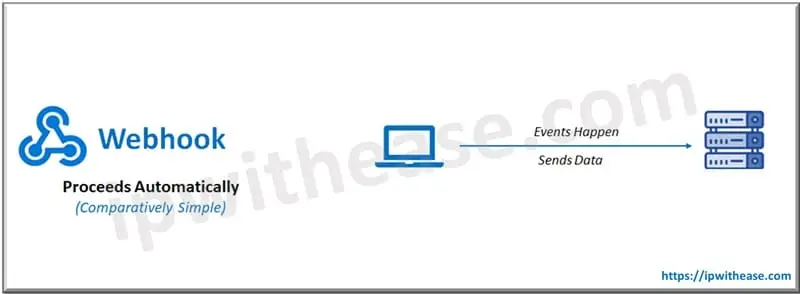
Webhooks push event notifications
A webhook is an HTTP callback: one application sends a request to an endpoint provided by another when a specified event happens. The receiving system does not need to keep asking whether anything changed. Webhooks are also called reverse APIs or push APIs because the provider initiates the request.
For example, a CRM can receive a subscription status update when a customer’s status changes. A meeting service can send a reminder event, or a market data service can notify a subscriber when a configured stock price threshold is reached. These are event driven tasks where the receiving system needs to react promptly.
Webhook messages commonly arrive as HTTP POST requests, with data encoded in formats such as JSON or XML. The sender needs a reachable endpoint, and the receiver needs to process the incoming message. Delivery details such as retries, logging, and duplicate events matter because a notification travels between separate systems.
APIs answer requests
An application programming interface defines how software components exchange requests and responses. A client calls an endpoint to retrieve or change information, and the service returns a structured response. APIs support both one off queries and repeated access to a resource.
That model fits shipment tracking on an e-commerce site, map software requesting traffic information, or a company portal connecting to a third party multifactor authentication service. It also suits applications that need historic records or must fetch data on demand.
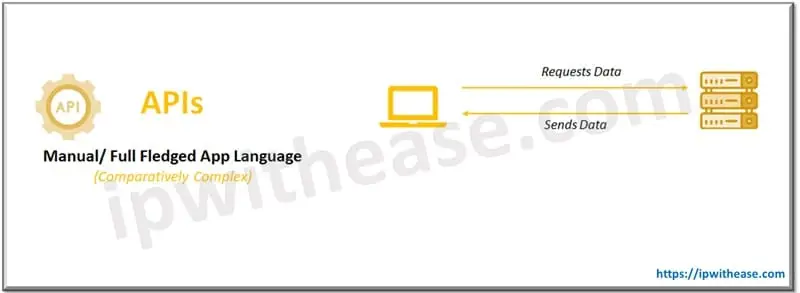
The key operational difference is that an API client generally has to decide when to ask for updated information. If it checks repeatedly, it may receive many responses with no new data. If it checks less often, it may take longer to notice a change.
Where each approach fits
| Characteristic | Webhook | API |
|---|---|---|
| What starts communication | A configured event in the sending application | A request from the client |
| Direction | The provider sends a POST request to the receiver’s endpoint | The client requests a resource or operation from a service |
| Typical strength | Timely notifications for specific events | On demand queries, repeated access, and historic data retrieval |
| Common tradeoff | Requires an accessible endpoint and delivery handling | Frequent checks can consume bandwidth, processing, or API quota |
Webhooks can reduce unnecessary requests because data is sent when the configured event occurs. This can lower polling traffic and help systems respond quickly, particularly when changes are sporadic. For event driven designs, the receiver processes relevant updates instead of repeatedly checking for them.
Those benefits depend on the event stream and the provider’s delivery behavior. A webhook does not automatically provide a complete history or guarantee that every message arrives in order. Teams still need to decide how to detect duplicates, recover from delivery failures, and obtain the current state when a notification is incomplete.
Polling and the cost of checking
Polling means calling an API at intervals to find out whether something has changed. A short interval can make updates appear more immediate, but many calls may return no new information. A longer interval uses fewer requests but increases the time before the client learns about an update.
Webhooks avoid that repeated check when the provider supports the event the application needs. That can reduce server work and API usage, though the actual effect depends on the event volume, service limits, and implementation. For data that changes constantly or needs flexible queries, API access may remain the better fit.
Using webhooks and APIs together
The two approaches are often complementary. A webhook can announce that an order changed, while an API call retrieves the full, current order record. The notification acts as a prompt; the API supplies the details. This pattern is useful when a webhook payload is partial or when the receiving system needs to confirm the latest state.
For sensitive information, treating an incoming webhook as a signal and retrieving authoritative details through the API can also limit reliance on payload contents. The receiving service should still validate that the notification came from the expected provider.
Endpoint security and troubleshooting
A webhook endpoint is reachable by external systems, so it needs safeguards. The guidance described for securing one includes accepting HTTPS, verifying the provider’s HMAC signature with a shared secret, checking timestamps to reduce replay risk, and allowlisting provider IP ranges when those ranges are published. The receiver should not blindly trust incoming data; sensitive details can be fetched again through the API.
Webhooks also take more setup and debugging than a basic API call. An API request produces a direct response, while webhook delivery requires a public endpoint, signature validation, retry handling, and useful logs. Local testing services such as ngrok or webhook.site, and a provider’s own command line tooling such as stripe listen, can help expose an endpoint during development.
Webhooks are not the only option for timely updates. WebSockets and Server-Sent Events maintain an open connection for two way communication or streaming, while long polling keeps a request pending until data is available or a timeout occurs. Webhooks are a common fit for server to server event delivery when neither system needs to hold a connection open.
Choose an API when clients need on demand access, frequent queries, or historical records. Choose a webhook when a system should react to defined events without repeatedly checking for changes. For many integrations, combining an event notification with an API lookup gives the receiving application both timely awareness and access to current details.